Thanksgiving the Latin Way: A Celebration of Gratitude Rooted in Our Heritage
(LPL) – Cada cuarto jueves de noviembre, millones de familias en Estados Unidos se reúnen alrededor de una mesa
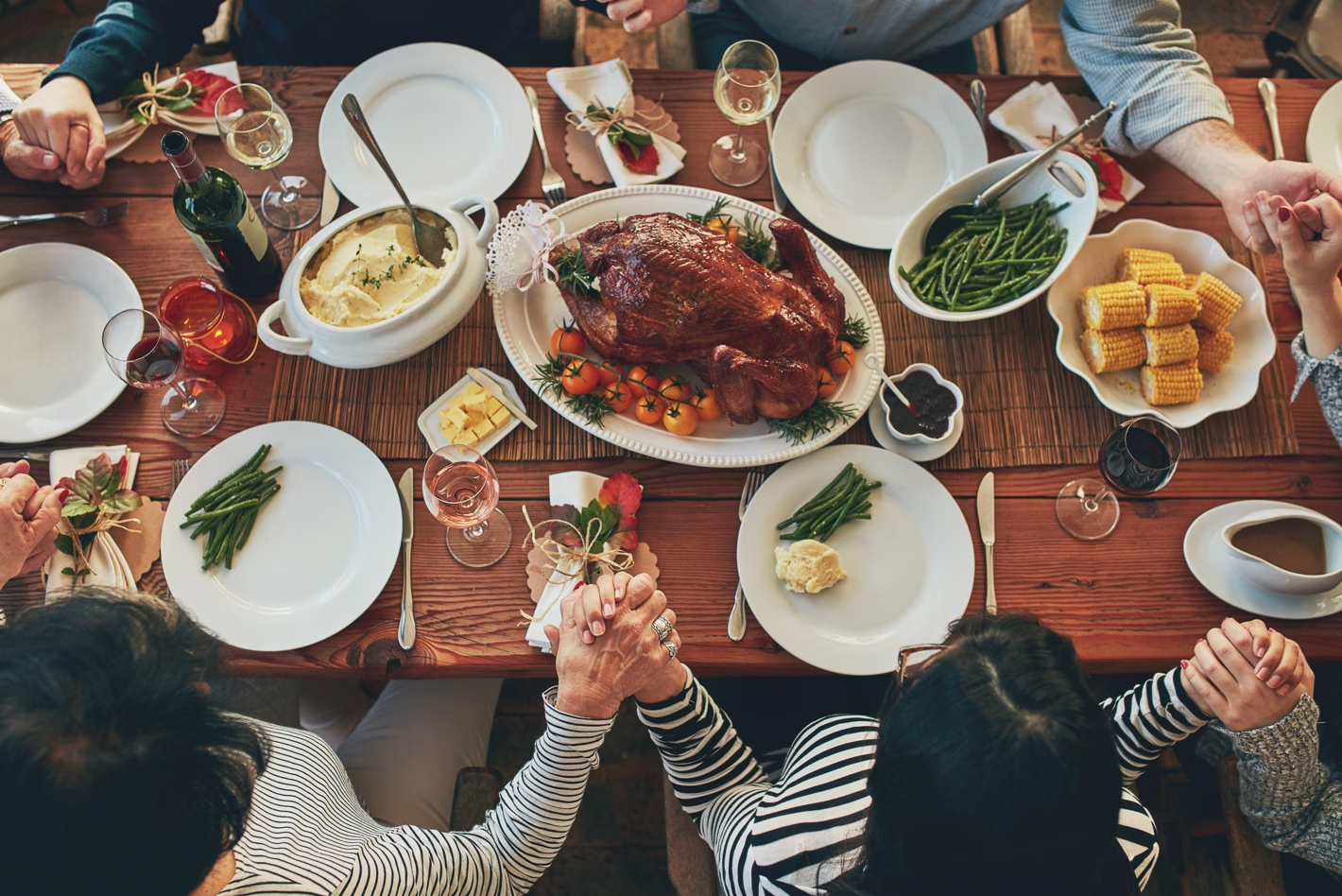
(LPL) – Cada cuarto jueves de noviembre, millones de familias en Estados Unidos se reúnen alrededor de una mesa para celebrar “Thanksgiving”, una tradición marcada por la gratitud, la convivencia y el agradecimiento. Sin embargo, en muchos hogares hispanos, esta festividad adquiere un sabor particular: el pavo comparte espacio con tamales, arroz, pernil, tortillas y otras recetas que mantienen vivas las raíces de sus países de origen.
Para muchas familias inmigrantes, el Día de Acción de Gracias no formaba parte de las celebraciones de su infancia. Fue después de llegar a Estados Unidos cuando comenzaron a incorporarlo a sus costumbres, especialmente al ver que sus hijos crecían participando en una tradición que forma parte de la cultura del país.
Con el paso de los años, Thanksgiving se ha convertido en una oportunidad para combinar ambas culturas. Mientras algunas familias conservan el tradicional pavo asado, el puré de papas, la salsa de arándanos y el pastel de calabaza, otras complementan el menú con platillos mexicanos, centroamericanos, caribeños y sudamericanos.
En una misma mesa pueden encontrarse tamales y pozole, arroz con frijoles, plátanos fritos, empanadas, pernil o ensaladas preparadas con recetas familiares. La música, las conversaciones en español y las reuniones entre varias generaciones también forman parte de una celebración que cada hogar adapta a su manera.
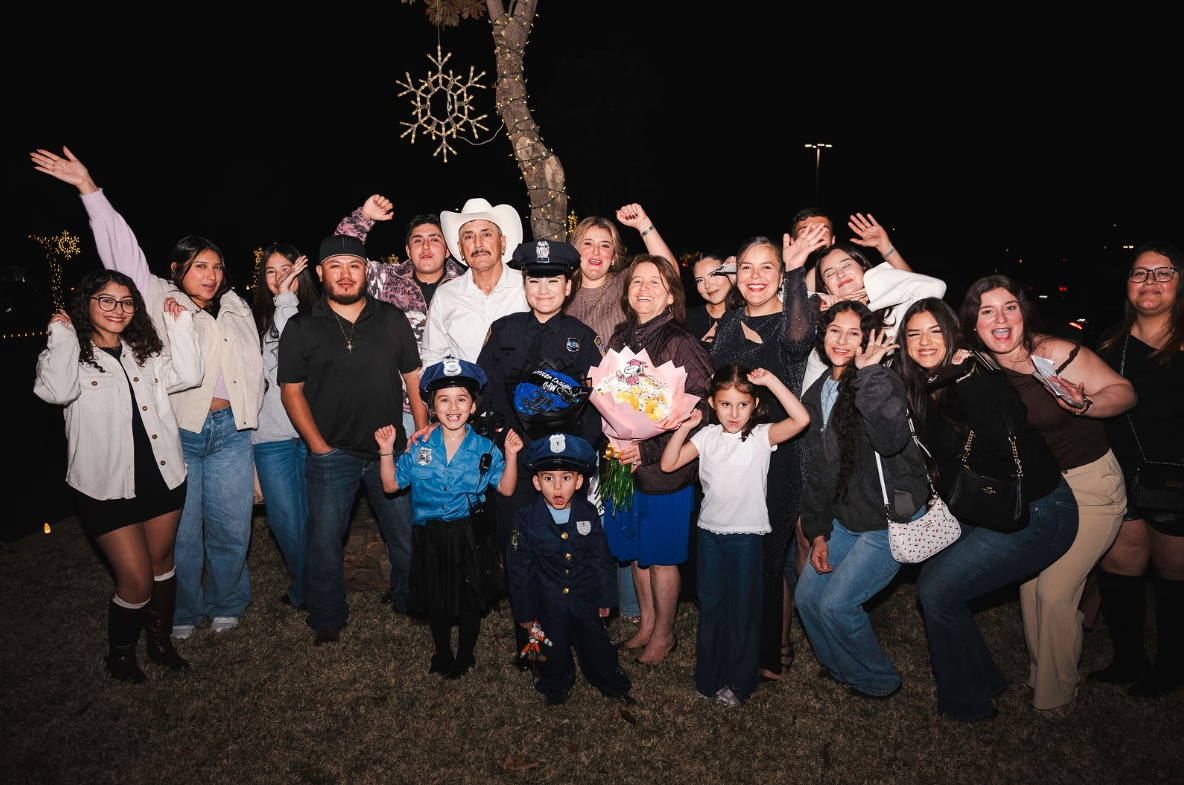
Pero más allá de la comida, el significado de la fecha tiene un lugar especial para muchas familias inmigrantes. Reunirse permite agradecer por las oportunidades, el trabajo, la salud, los seres queridos y el camino recorrido lejos de sus países de origen. También representa una ocasión para compartir con amigos que, con el tiempo, se convierten en parte de la familia.
Una tradición con siglos de historia
Thanksgiving tiene sus raíces en distintas celebraciones de agradecimiento por las cosechas realizadas en Norteamérica. Una de las más conocidas ocurrió en 1621, cuando colonos ingleses de Plymouth compartieron una celebración de la cosecha con miembros del pueblo indígena Wampanoag.
Aunque la festividad tuvo distintas fechas y formas de celebración durante los siglos siguientes, fue el presidente Abraham Lincoln quien, en 1863, proclamó un día nacional de Acción de Gracias para el último jueves de noviembre, en medio de la Guerra Civil. En 1941, el Congreso estableció oficialmente que se celebraría el cuarto jueves de ese mes.
Hoy, la tradición continúa evolucionando. En los hogares hispanos, Thanksgiving demuestra que adoptar una celebración de otro país no significa dejar atrás las propias costumbres, sino encontrar nuevas maneras de compartirlas. Entre recetas heredadas, nuevos sabores y reuniones familiares, la gratitud también se expresa con identidad latina.
English:
Thanksgiving the Latin Way: A Celebration of Gratitude Rooted in Our Heritage
(LPL) – Every fourth Thursday of November, millions of families across the United States gather around the table to celebrate Thanksgiving—a tradition centered on gratitude, togetherness, and appreciation. In many Hispanic households, however, this holiday takes on a distinct flavor: the turkey shares the table with tamales, rice, *pernil* (roast pork), tortillas, and other dishes that keep the traditions of their countries of origin alive.
For many immigrant families, Thanksgiving was not part of their childhood celebrations. It was only after arriving in the United States that they began to incorporate it into their own customs—often as they watched their children grow up participating in a tradition so deeply woven into American culture.
Over the years, Thanksgiving has become an opportunity to blend both cultures. While some families stick to the traditional spread—roast turkey, mashed potatoes, cranberry sauce, and pumpkin pie—others round out the menu with dishes from Mexico, Central America, the Caribbean, and South America.
It is not uncommon to find tamales and *pozole*, rice and beans, fried plantains, empanadas, *pernil*, or salads prepared using cherished family recipes all on the same table. Music, conversations in Spanish, and multi-generational gatherings are also hallmarks of a celebration that each household adapts in its own unique way.
Beyond the food, the significance of the holiday holds a special place for many immigrant families. Coming together offers a chance to give thanks for opportunities, employment, health, loved ones, and the journey taken far from their home countries. It is also an occasion to share the day with friends who, over time, have become like family.
A Tradition with Centuries of History
Thanksgiving has its roots in various harvest-related celebrations of gratitude that took place in North America. One of the best-known instances took place in 1621, when English settlers from Plymouth shared a harvest celebration with members of the Wampanoag Indigenous people.
Although the holiday took place on different dates and was celebrated in various ways over the following centuries, it was President Abraham Lincoln who, in 1863—amid the Civil War—proclaimed a national Thanksgiving Day to be observed on the last Thursday of November. In 1941, Congress officially established that it would be celebrated on the fourth Thursday of that month.
Today, the tradition continues to evolve. In Hispanic households, Thanksgiving demonstrates that adopting a celebration from another country does not mean leaving one’s own customs behind; rather, it is an opportunity to find new ways to share them. Amidst inherited recipes, new flavors, and family gatherings, gratitude is also expressed through a distinct Latin identity.