Tulsi Gabbard renuncia como directora de Inteligencia Nacional
(LPL/AP) – Tulsi Gabbard renunció el viernes a su cargo como directora de Inteligencia Nacional del presidente Donald Trump,
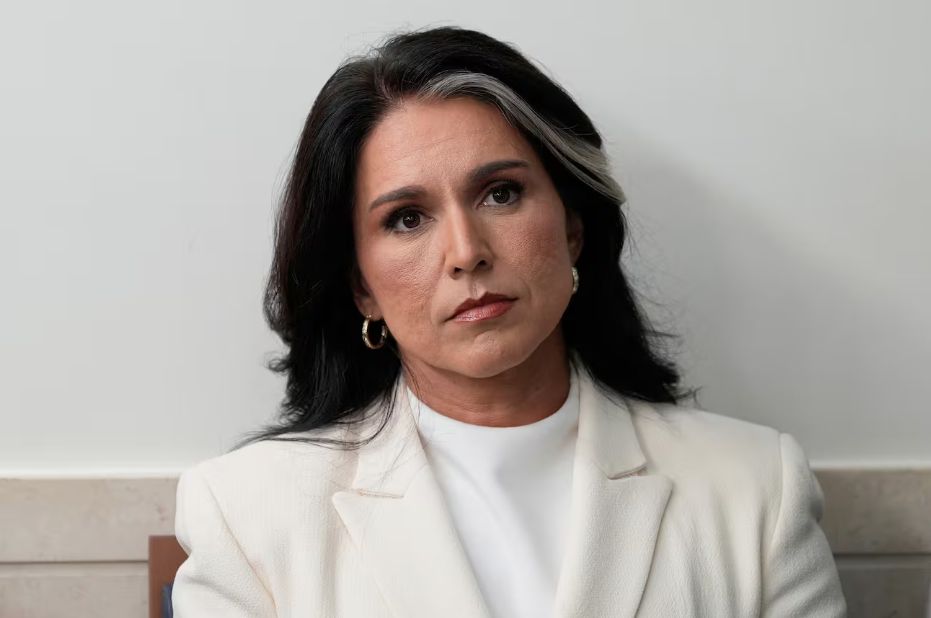
(LPL/AP) – Tulsi Gabbard renunció el viernes a su cargo como directora de Inteligencia Nacional del presidente Donald Trump, alegando que necesitaba apartarse para estar junto a su esposo mientras este libra una batalla contra el cáncer. Es la cuarta funcionaria del gabinete en abandonar su puesto durante el segundo mandato de Trump.
En su carta de renuncia, la cual publicó en las redes sociales, Gabbard indicó que comunicó a Trump su decisión de dejar el cargo el pasado 30 de junio. Explicó que a su esposo se le había diagnosticado recientemente una forma rara de cáncer óseo y que este “enfrenta grandes desafíos en las próximas semanas y meses”.
“En este momento, debo apartarme del servicio público para estar a su lado y brindarle mi apoyo total a lo largo de esta batalla”, escribió en la carta, cuya noticia fue reportada previamente por Fox News.
Trump, en su propia publicación en redes sociales anunciando la renuncia, declaró: “Tulsi ha realizado un trabajo increíble y la extrañaremos”. Asimismo, informó que su adjunto principal, Aaron Lukas, asumirá el cargo de director interino de Inteligencia Nacional.
Durante el primer mandato de Trump, Lukas se desempeñó como asesor de inteligencia del director interino de Inteligencia Nacional, Ric Grenell, en el año 2020. Exanalista de políticas en el Instituto Cato —un centro de estudios (think tank) de tendencia libertaria—, también ocupó el cargo de subdirector sénior para Europa y Rusia en el Consejo de Seguridad Nacional durante el último año de la administración anterior de Trump.
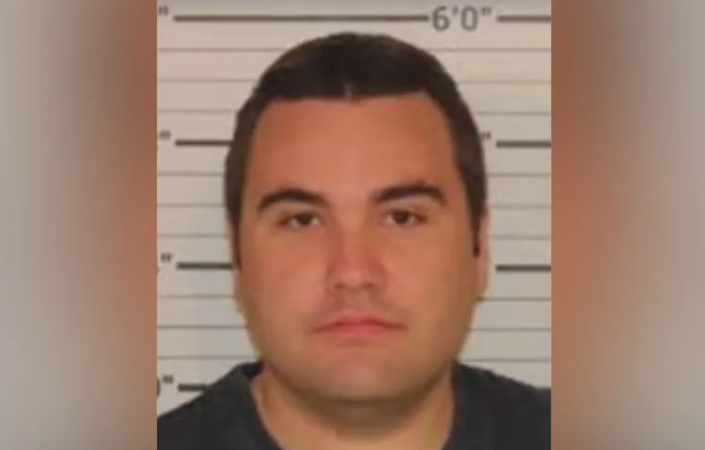
Habían surgido rumores de que Gabbard se distanciaría de Trump tras la decisión del presidente de atacar a Irán, medida que provocó cierta división dentro de su propia administración. Joe Kent, director del Centro Nacional de Contraterrorismo, anunció su renuncia en marzo, afirmando que “no podía, en buena conciencia”, respaldar la guerra.
Gabbard, veterana militar y excongresista demócrata por Hawái, forjó su reputación política basándose en su oposición a las guerras en el extranjero. Esto la situó en una posición incómoda cuando Estados Unidos se unió a Israel para lanzar ataques contra Irán el 28 de febrero.
Durante una audiencia en el Congreso celebrada en marzo, sus comentarios mesurados destacaron por su cuidadosa abstención de respaldar la decisión de Trump de atacar a Irán. Evadió reiteradamente las preguntas sobre si la Casa Blanca había sido advertida de las posibles repercusiones del conflicto, incluido el cierre efectivo del estrecho de Ormuz por parte de Irán. Gabbard declaró, en un comunicado por escrito dirigido al Comité de Inteligencia del Senado, que no había habido ningún intento por parte de Irán de reconstruir su capacidad nuclear después de que los ataques estadounidenses del año pasado “aniquilaran” su programa nuclear. Dicha afirmación contradecía a Trump, quien ha sostenido reiteradamente que la guerra era necesaria para neutralizar una amenaza inminente proveniente de la República Islámica.
Esto dio lugar a varios intercambios incómodos con los legisladores, quienes solicitaron a Gabbard su opinión sobre la amenaza que representa Irán, en su calidad de máxima funcionaria de inteligencia del país. Ella reiteró en varias ocasiones que la decisión de lanzar el ataque fue de Trump, no suya.
“No es responsabilidad de la comunidad de inteligencia determinar qué constituye o no una amenaza inminente”, afirmó.
La salida de Gabbard se produce después de que Trump destituyera a la secretaria de Seguridad Nacional, Kristi Noem, a finales de marzo, en medio de crecientes críticas a su gestión del departamento, incluido el manejo de la campaña de represión migratoria de la administración y la respuesta ante desastres.
La segunda integrante del gabinete en abandonar su cargo fue la fiscal general Pam Bondi, en respuesta a la creciente frustración por la forma en que el Departamento de Justicia gestionó los expedientes relacionados con Jeffrey Epstein. Por su parte, la secretaria de Trabajo, Lori Chavez-DeRemer, presentó su dimisión en abril, tras haber sido objeto de diversas investigaciones por conducta indebida.
English:
Tulsi Gabbard resigns as director of national intelligence
(LPL/AP) – Tulsi Gabbard resigned as President Donald Trump’s director of national intelligence on Friday, saying she needed to step away as her husband battles cancer. She is the fourth Cabinet official to depart during Trump’s second term.
In her resignation letter, which she posted on social media, Gabbard said she told Trump of her decision to leave office on June 30. She said her husband had recently been diagnosed with a rare form of bone cancer and “faces major challenges in the coming weeks and months.”
“At this time, I must step away from public service to be by his side and fully support him through this battle,” she wrote in the letter, which was earlier reported by Fox News.
Trump, in his own social media post announcing her resignation, said “Tulsi has done an incredible job, and we will miss her.” He said her principal deputy, Aaron Lukas, will serve as acting director of national intelligence.
During Trump’s first term, Lukas was as an intelligence aide to the acting director of national intelligence, Ric Grenel, in 2020. A former policy analyst at the Cato Institute, a libertarian think tank, he also served as deputy senior director for Europe and Russia at the National Security Council in the final year of Trump’s previous administration.
There had been rumblings that Gabbard would split with Trump after the president’s decision to strike Iran, which caused some division within his administration. Joe Kent, the director of the National Counterterrorism Center, announced his resignation in March, saying he “cannot in good conscience” back the war.
Gabbard, a veteran and former Democratic congresswoman from Hawaii, built her political name on her opposition to foreign wars. This put her in an awkward position when the U.S. joined Israel in launching attacks on Iran on Feb. 28.
During a congressional hearing in March, her measured comments were notable for their careful non-endorsement of Trump’s decision to strike Iran. She repeatedly dodged questions about whether the White House had been warned of potential fallout from the conflict, including Iran’s effective closure of the Strait of Hormuz.
Gabbard said in written remarks to the Senate Intelligence Committee that there had been no effort by Iran to rebuild its nuclear capability after U.S. attacks last year “obliterated” its nuclear program. That statement contradicted Trump, who has repeatedly asserted that the war was necessary to head off an imminent threat from the Islamic Republic.
This created several awkward exchanges with lawmakers who asked Gabbard for her opinion on the threat posed by Iran as the nation’s top intelligence official. She repeatedly said it was Trump’s decision to strike, not hers.
“It is not the intelligence community’s responsibility to determine what is and is not an imminent threat,” she said.
Gabbard’s departure follows Trump having ousted Homeland Security Secretary Kristi Noem in late March, in the midst of mounting criticism over her leadership of the department — including the handling of the administration’s immigration crackdown and disaster response.
The second Cabinet member to leave was Attorney General Pam Bondi, in response to growing frustration over the Justice Department’s handling of files related to Jeffrey Epstein. And Labor Secretary Lori Chavez-DeRemer resigned in April, after being the target of various misconduct investigations.