Tyler Robinson es el hombre acusado de asesinar a Charlie Kirk
(LPL/EN) – El sospechoso de asesinar al activista conservador Charlie Kirk, detenido por las autoridades, ha sido identificado como
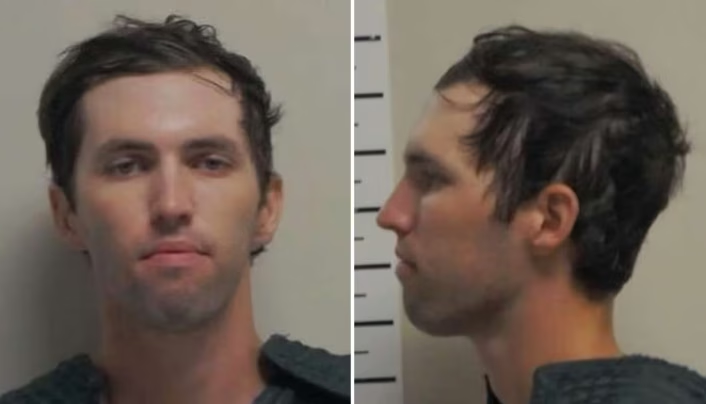
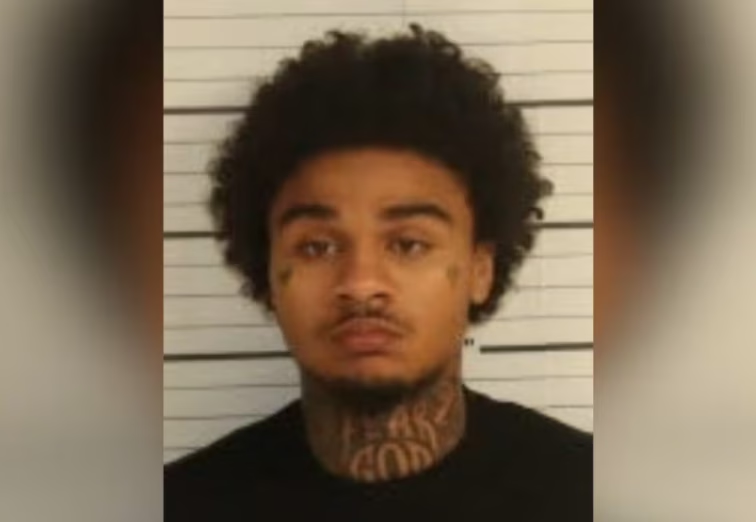
(LPL/EN) – El sospechoso de asesinar al activista conservador Charlie Kirk, detenido por las autoridades, ha sido identificado como Tyler Robinson, un residente de Utah de 22 años, según informaron medios locales en base a fuentes de la investigación.
La identidad del sospechoso fue revelada poco después de que el presidente de Estados Unidos, Donald Trump, informara durante una entrevista que había sido detenido el supuesto asesino.
Según apuntaron varios medios, el sospechoso fue detenido cerca del Parque Nacional de Zion, en St. George, unos 400 kilómetros al sur del lugar del atentado en Orem (Utah), después de acordar con su padre que se entregara.
El detenido fue puesto bajo en custodia de la Policía local hacia las 11 de la noche del jueves, 11 de septiembre, según informaron fuentes federales al New York Times.
Robinson fue señalado por varios medios como un buen estudiante y se han compartido varias fotos con su familia, en ambiente universitario y con lo que parece ser una relación con las armas desde temprana edad.
Kirk fue asesinado este miércoles durante un evento en la Universidad Utah Valley tras recibir un disparo en el cuello mientras realizaba una de sus conocidos debates con estudiantes en los que confrontaba con sus ideas conservadoras.
En la confusión de las primeras horas las autoridades detuvieron a dos personas a las que posteriormente liberaron tras comprobar que no tenían nada que ver con el asesinato.
Posteriormente, el FBI solicitó la colaboración ciudadana para dar con el autor y compartió varias imágenes recogidas del supuesto tirador tras el asesinato.
Los investigadores han recuperado el arma utilizada en el asesinato, un rifle de cerrojo del calibre 30, normalmente utilizado para la caza.
English:
Tyler Robinson is the man accused of murdering Charlie Kirk
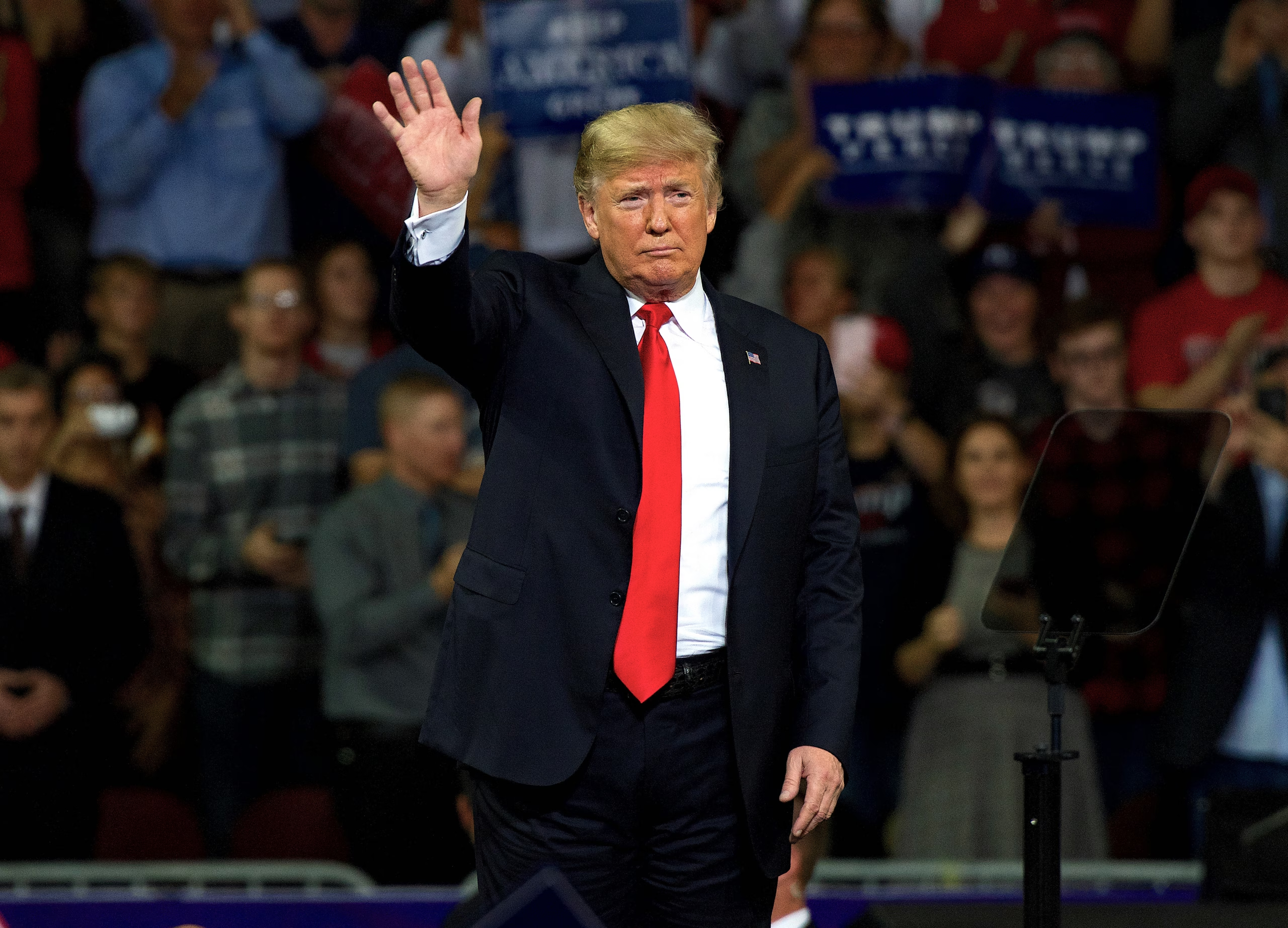
(LPL/EN) – President Donald Trump announced Friday during an interview on Fox & Friends that he will deploy the National Guard to Memphis to address the city’s crime problem. “Memphis is deeply troubled. We’re going to fix that, just like we did in Washington,” Trump said, claiming he has the support of Tennessee Governor Bill Lee and Memphis Mayor Paul Young.
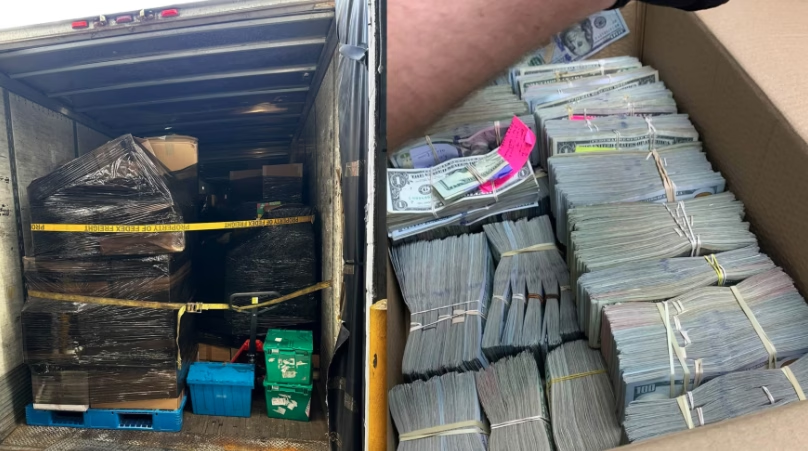
Trump added that he is willing to send in military personnel “if necessary” and said the decision came after speaking with a FedEx board member who described Memphis’ security situation. “He told me he couldn’t walk one block to his hotel without being driven in an armored vehicle with bulletproof glass. We’re going to straighten up the crime in these cities,” Trump said.
Local leaders reacted quickly. Shelby County Mayor Lee Harris urged the governor to reconsider. “Having people in military fatigues, with semi-automatic weapons and armored vehicles patrolling our streets is too much — anti-democratic and anti-American,” Harris said. After Trump’s announcement, he reiterated: “Mr. President, no one here is happy. We are not happy to see the militarization of our communities.”
Mayor Paul Young confirmed that he was informed earlier this week about the potential arrival of the National Guard. In a statement, he said he supports initiatives that build on the city’s progress in reducing crime but stressed that Memphis most needs financial resources for prevention, intervention, and investigative support. “Memphis is already showing a reduction in crime, including the lowest number of homicides in six years,” he noted.
Governor Bill Lee announced the deployment of 50 additional Tennessee Highway Patrol (THP) troopers and said ongoing operations with the FBI will continue to target the city’s most dangerous offenders. “Nothing is off the table,” Lee said, confirming he is in constant communication with the Trump administration about expanding the state’s crime-fighting strategy.
Republican Congressman David Kustoff praised the move: “I thank the president for his commitment to reducing violent crime. I will continue to work with the White House to secure these important resources.”
Community leaders expressed concern about the impact of National Guard deployment on predominantly Black neighborhoods. Pastor and scholar Dr. Earle Fisher said the Guard “is not equipped for policing practices that honor civil and human rights in Memphis” and warned their presence would likely focus on areas like North and South Memphis.
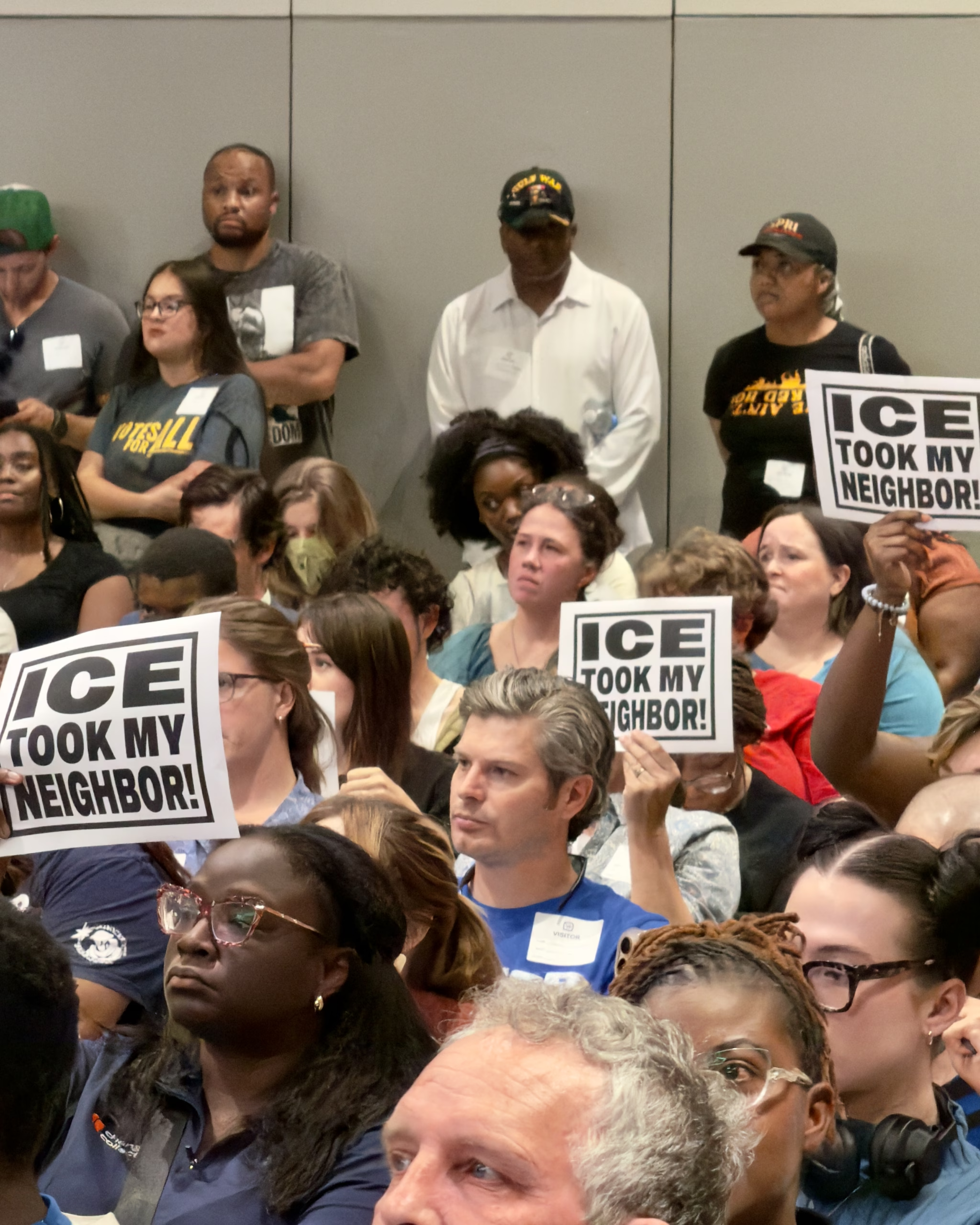
Trump’s decision is part of his broader “law-and-order” approach, which has already brought troops to Washington and Los Angeles — in some cases over objections from local authorities. In Washington, more than 40% of arrests in the first 30 days of the federal operation were immigration-related, according to AP data.
The announcement has reignited debate about the militarization of public safety in the United States, as Memphis reports historic progress in reducing violent crime and seeks to balance security with respect for civil rights.