Nueva ofensiva migratoria de Trump busca cambiar las reglas de la ciudadanía para niños nacidos en EE.UU.
(LPL) – El presidente Donald Trump volvió a colocar la ciudadanía por nacimiento en el centro del debate migratorio
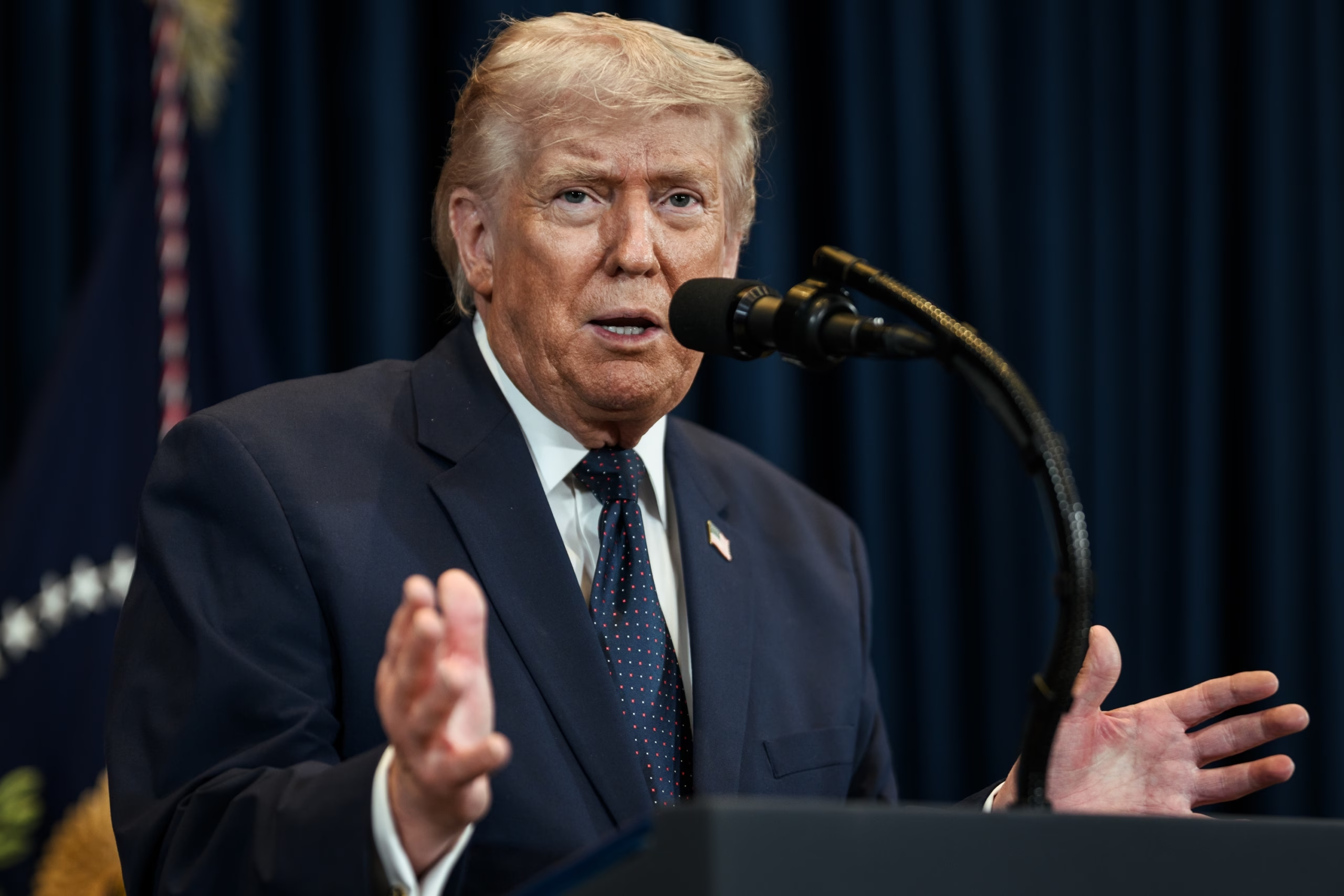
(LPL) – El presidente Donald Trump volvió a colocar la ciudadanía por nacimiento en el centro del debate migratorio al anunciar nuevas medidas para limitar este derecho y tomar acciones contra el llamado “turismo de maternidad”, una práctica que su administración asegura es utilizada por algunas personas extranjeras para que sus hijos nazcan en Estados Unidos y obtengan la ciudadanía.
Las órdenes ejecutivas anunciadas por Trump buscan modificar la manera en que el gobierno federal interpreta la ciudadanía otorgada a quienes nacen dentro del territorio estadounidense. La administración argumenta que existen personas y empresas que han creado negocios alrededor de viajes organizados para mujeres embarazadas que buscan dar a luz en Estados Unidos.
Trump aseguró que estas nuevas acciones tienen como objetivo detener lo que considera un abuso del sistema migratorio y evitar que la ciudadanía estadounidense sea utilizada como un beneficio para personas que, según su gobierno, llegan al país únicamente con ese propósito.
Sin embargo, la medida enfrenta importantes cuestionamientos legales, ya que la ciudadanía por nacimiento está protegida por la Decimocuarta Enmienda de la Constitución de Estados Unidos, la cual establece que toda persona nacida en territorio estadounidense es ciudadana, salvo excepciones específicas reconocidas por la ley.
Expertos en derecho constitucional y organizaciones defensoras de inmigrantes han advertido que un presidente no puede eliminar este derecho únicamente mediante una orden ejecutiva y anticipan que cualquier intento de cambiar esta interpretación podría terminar nuevamente en los tribunales.
La ciudadanía por nacimiento ha sido una garantía vigente durante más de un siglo y ha permitido que millones de hijos de inmigrantes nacidos en Estados Unidos sean ciudadanos estadounidenses, independientemente del estatus migratorio de sus padres.
Las nuevas medidas generan preocupación entre familias inmigrantes, especialmente aquellas con padres que tienen diferentes situaciones legales, debido a la incertidumbre sobre cómo podrían afectar a los niños nacidos en el país.
Además del cambio en la ciudadanía por nacimiento, Trump también ordenó a las agencias federales revisar acciones contra compañías y redes que, según la administración, facilitan el llamado “turismo de maternidad”, incluyendo servicios de viaje, alojamiento y asesoría para mujeres extranjeras embarazadas.
La Casa Blanca sostiene que estas acciones buscan proteger el significado de la ciudadanía estadounidense y combatir prácticas que considera fraudulentas. Sus críticos, en cambio, afirman que la medida podría afectar a familias que cumplen con la ley y representa un intento de modificar un derecho constitucional a través del poder ejecutivo.
El anuncio abre una nueva batalla legal sobre uno de los temas migratorios más sensibles del país. Mientras la administración Trump busca avanzar con estas restricciones, grupos legales ya preparan posibles desafíos en los tribunales para determinar si las nuevas medidas pueden mantenerse bajo la Constitución.
English:
Trump’s new immigration push seeks to change citizenship rules for children born in the U.S.
(LPL) – President Donald Trump has once again placed birthright citizenship at the center of the immigration debate by announcing new measures to limit this right and take action against so-called «birth tourism»—a practice his administration claims is used by some foreign nationals to ensure their children are born in the United States and obtain citizenship.
The executive orders announced by Trump aim to alter how the federal government interprets citizenship granted to those born within U.S. territory. The administration argues that individuals and companies have established businesses centered on organized trips for pregnant women seeking to give birth in the United States.
Trump stated that these new actions are intended to halt what he views as an abuse of the immigration system and to prevent U.S. citizenship from being used as a benefit by individuals who, according to his administration, come to the country solely for that purpose.
However, the measure faces significant legal challenges, as birthright citizenship is protected by the Fourteenth Amendment to the U.S. Constitution, which establishes that anyone born on U.S. soil is a citizen, subject to specific exceptions recognized by law.
Constitutional law experts and immigrant advocacy groups have warned that a president cannot eliminate this right through an executive order alone, and they anticipate that any attempt to change this interpretation could once again end up in court.
Birthright citizenship has been a guaranteed right for over a century, allowing millions of children of immigrants born in the United States to become U.S. citizens, regardless of their parents’ immigration status.
The new measures are raising concerns among immigrant families—particularly those with parents of differing legal statuses—due to uncertainty regarding how the policy might affect children born in the country.
In addition to the change regarding birthright citizenship, Trump has also directed federal agencies to review actions against companies and networks that the administration claims facilitate «birth tourism,» including travel, lodging, and consulting services for pregnant foreign women. The White House maintains that these actions aim to protect the meaning of U.S. citizenship and combat practices it deems fraudulent. Critics, however, argue that the measure could affect law-abiding families and represents an attempt to alter a constitutional right through executive action.
The announcement sets the stage for a new legal battle over one of the country’s most sensitive immigration issues. As the Trump administration seeks to move forward with these restrictions, legal groups are already preparing potential court challenges to determine whether the new measures can be upheld under the Constitution.