Patrullas de Carreteras de Tennessee cambia política de DUI en medio de demandas por arrestos a conductores sobrios
(LPL) – La Patrulla de Carretera de Tennessee (THP) anunció recientemente un cambio importante en su política sobre pruebas
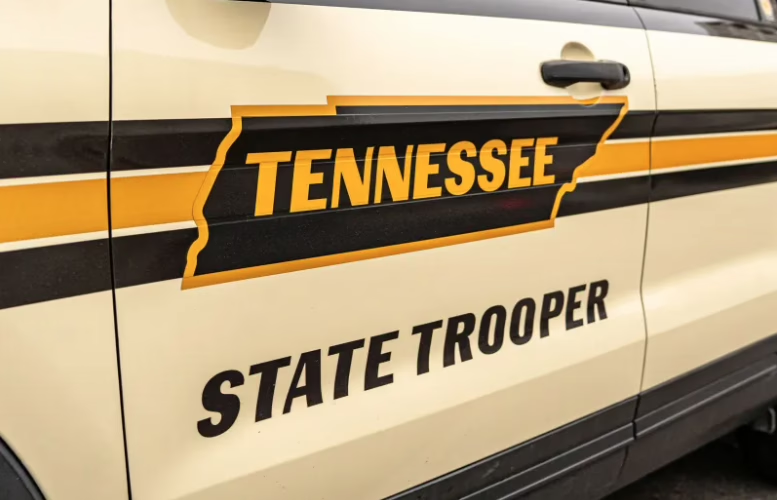
(LPL) – La Patrulla de Carretera de Tennessee (THP) anunció recientemente un cambio importante en su política sobre pruebas de alcoholemia, al iniciar el proceso para incorporar dispositivos portátiles de aliento en las detenciones por DUI (manejar bajo la influencia). La decisión marca un giro luego de años en los que la agencia evitó utilizar estas herramientas durante pruebas de sobriedad en carretera.
Durante ese periodo, investigaciones periodísticas evidenciaron múltiples casos en los que conductores solicitaban una prueba de aliento y los agentes respondían que no estaban autorizados a realizarla. Esa práctica llamó la atención porque la THP registraba un número elevado de arrestos por DUI sin recurrir a este tipo de evidencia inmediata.
Sin embargo, el cambio no ocurre en el vacío. De acuerdo con reportes recientes, la nueva postura de la agencia surge en medio de creciente presión pública y legal por los llamados “sober DUIs”, es decir, arrestos de conductores que posteriormente resultaron no estar bajo la influencia de alcohol o drogas.
Uno de los elementos clave en este contexto es una demanda federal presentada por tres hombres en Tennessee, quienes alegan haber sido arrestados injustamente por la THP. Según la demanda, los conductores fueron sometidos a pruebas de sobriedad en el lugar, pero no se les practicaron pruebas de aliento, y posteriormente análisis de sangre realizados por el Tennessee Bureau of Investigation confirmaron que no tenían sustancias en su sistema.
Los demandantes sostienen que los agentes basaron sus arrestos principalmente en pruebas de campo, sin utilizar métodos objetivos inmediatos como los breathalyzers. Además, aseguran que los cargos fueron finalmente desestimados meses después, tras conocerse los resultados negativos de laboratorio.
El caso también ha puesto en evidencia un patrón más amplio. Datos revelados recientemente muestran que en Tennessee se han registrado miles de arrestos por “sober DUI” desde 2017, siendo la THP la agencia con el mayor número de estos casos.
A esto se suma el señalamiento de que algunos oficiales pudieron haber estado bajo presión para realizar arrestos por DUI, aunque autoridades de la patrulla han negado la existencia de cuotas y sostienen que todos los arrestos son válidos.
En este contexto, la decisión de la THP de adquirir dispositivos portátiles de alcoholemia busca, según la propia agencia, dotar a los agentes de más herramientas para identificar conductores intoxicados y fortalecer los casos con evidencia más inmediata.
Expertos forenses han señalado que las pruebas de aliento pueden ser tan precisas como los análisis de sangre y que su uso podría incluso ayudar a reducir la carga de trabajo en los laboratorios estatales.
Por ahora, la THP no ha detallado qué tipo de dispositivos utilizará ni si los resultados serán admisibles en corte. No obstante, el cambio representa una respuesta directa a las críticas, investigaciones y acciones legales que han cuestionado la forma en que se han manejado los arrestos por DUI en el estado.
English:
Tennessee Highway Patrol Changes DUI Policy Amid Lawsuits Over Arrests of Sober Drivers
(LPL) – The Tennessee Highway Patrol (THP) recently announced a major change to its policy regarding alcohol testing, initiating the process to incorporate portable breath-testing devices into DUI (driving under the influence) stops. This decision marks a shift following years in which the agency avoided using these tools during roadside sobriety tests.
During that period, investigative reporting uncovered multiple instances in which drivers requested a breath test, only for officers to respond that they were not authorized to administer one. This practice drew scrutiny because the THP was recording a high volume of DUI arrests without relying on this type of immediate evidentiary tool.
However, this change does not occur in a vacuum. According to recent reports, the agency’s new stance comes amidst growing public and legal pressure regarding so-called «sober DUIs»—that is, the arrest of drivers who subsequently turned out not to be under the influence of alcohol or drugs.
A key element in this context is a federal lawsuit filed by three men in Tennessee who allege they were wrongfully arrested by the THP. According to the complaint, the drivers were subjected to roadside sobriety tests but were not given breath tests; subsequent blood tests conducted by the Tennessee Bureau of Investigation confirmed that they had no substances in their systems.
The plaintiffs contend that the officers based their arrests primarily on field sobriety tests, without utilizing immediate, objective methods such as breathalyzers. Furthermore, they assert that the charges were ultimately dismissed months later, once the negative laboratory results became known.
The case has also brought to light a broader pattern. Recently released data reveals that thousands of «sober DUI» arrests have been recorded in Tennessee since 2017, with the THP accounting for the highest number of these cases. Compounding this is the allegation that some officers may have been under pressure to make DUI arrests—although patrol authorities have denied the existence of quotas and maintain that all arrests are valid.
Against this backdrop, the THP’s decision to acquire handheld breathalyzer devices aims—according to the agency itself—to equip officers with additional tools to identify intoxicated drivers and to strengthen cases with more immediate evidence.
Forensic experts have noted that breath tests can be just as accurate as blood analyses and that their use could even help reduce the workload at state laboratories.
For the time being, the THP has not specified which specific devices it intends to use, nor whether the results will be admissible in court. Nevertheless, this shift represents a direct response to the criticisms, investigations, and legal actions that have challenged the manner in which DUI arrests have been handled within the state.