Casa Blanca lanza polémica página que llama “aliens” a inmigrantes y anuncia más de 2 mil arrestos migratorios en Memphis
(LPL) – La Casa Blanca puso en funcionamiento una nueva y controversial página web llamada “Aliens.gov”, un portal enfocado
(LPL) – La Casa Blanca puso en funcionamiento una nueva y controversial página web llamada “Aliens.gov”, un portal enfocado en inmigración y arrestos migratorios que ha generado fuertes críticas por utilizar el término “aliens”, o “extraterrestres/extranjeros”, para referirse a inmigrantes indocumentados.
La página, creada por la administración del presidente Donald Trump, utiliza una estética inspirada en teorías de ovnis y ciencia ficción, con frases como “Ellos caminan entre nosotros” y mensajes que comparan indirectamente la inmigración ilegal con una invasión extraterrestre.
Uno de los mensajes principales del portal dice:
“Si usted ha presenciado una abducción alienígena, no se alarme. El alien está en buenas manos. Nosotros nos encargaremos de él… y lo devolveremos de manera segura a su lugar de origen”.
Debajo del mensaje aparece un enlace para “Reportar aliens sospechosos”, conectado directamente con la línea de denuncias de ICE, la agencia federal encargada de inmigración y deportaciones.
Otra sección del sitio afirma:
“No eran pequeños hombres verdes. Estos ‘aliens’ son los millones de inmigrantes ilegales que invadieron nuestro país bajo la oscuridad de la noche. El presidente Trump dijo la verdad. El encubrimiento terminó. Aseguren la frontera. Depórtenlos a todos”.
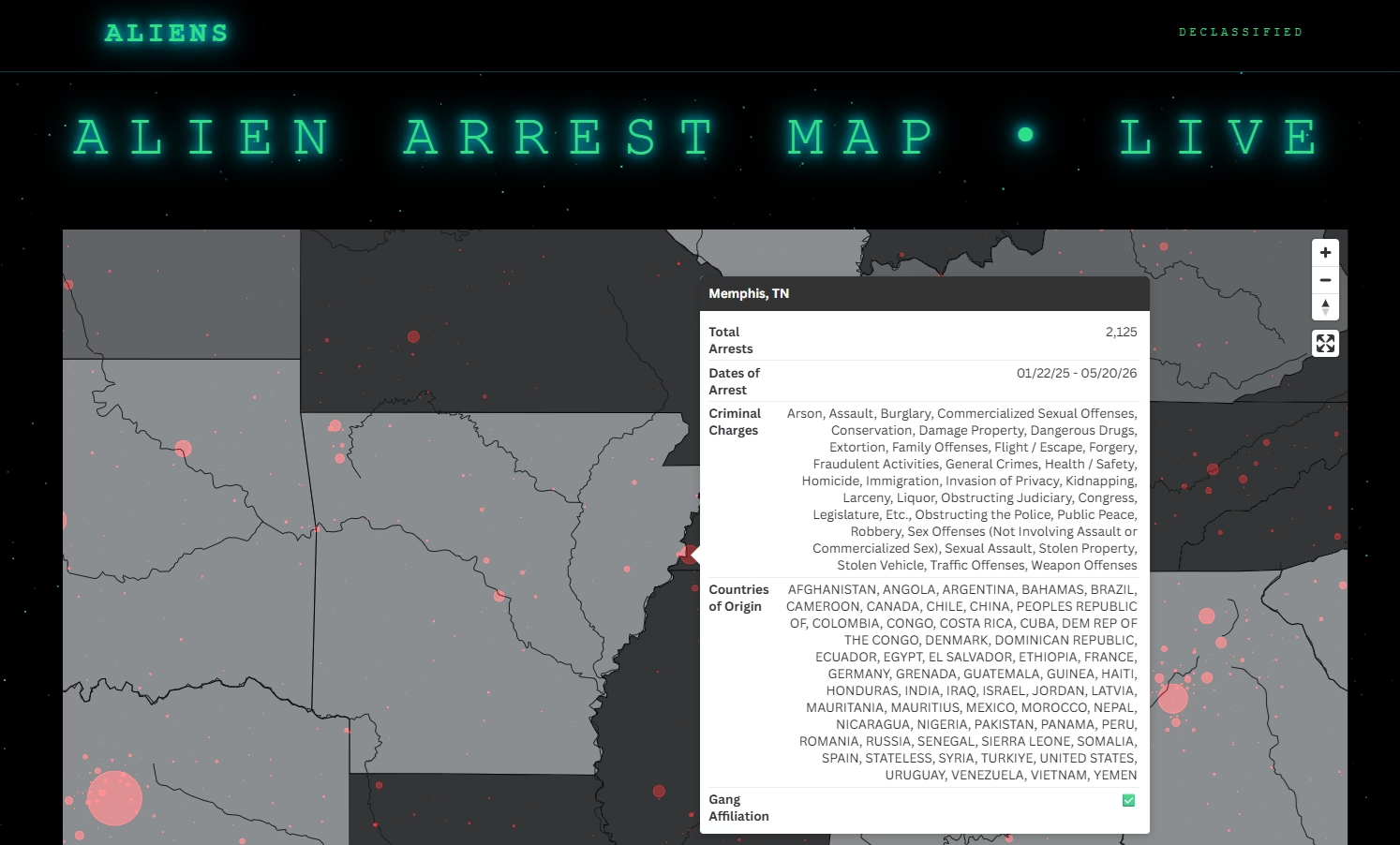
El portal también incluye mapas interactivos, cifras de arrestos migratorios y estadísticas relacionadas con operativos federales en distintas ciudades del país. Uno de los datos que más llamó la atención localmente fue el relacionado con Memphis, donde la página muestra un total de 2,125 arrestos de personas de distintas nacionalidades vinculados a operativos migratorios.
La plataforma permite explorar información por ciudad y estado, incluyendo números de arrestos y datos sobre las nacionalidades de los detenidos.
La administración federal asegura que el objetivo del sitio es aumentar la transparencia sobre inmigración ilegal y reforzar el mensaje de seguridad fronteriza. Sin embargo, organizaciones proinmigrantes y defensores de derechos civiles han criticado duramente la iniciativa, argumentando que el lenguaje utilizado deshumaniza a los inmigrantes al compararlos visual y verbalmente con seres extraterrestres.
Aunque la palabra “alien” ha sido utilizada durante décadas en leyes migratorias de Estados Unidos para referirse a personas extranjeras, críticos señalan que el tono y la presentación de esta nueva página llevan el término a un nivel más agresivo y ofensivo.
La controversia también aumentó porque meses atrás los dominios “alien.gov” y “aliens.gov” habían generado especulación sobre posibles anuncios relacionados con ovnis o fenómenos extraterrestres, aunque finalmente terminaron siendo utilizados como parte de una campaña enfocada completamente en inmigración y deportaciones.
English:
White House Launches Controversial Page Calling Immigrants “Aliens” and Announces Over 2,000 Immigration Arrests in Memphis
(LPL) – The White House has launched a new and controversial website called “Aliens.gov”—a portal focused on immigration and immigration-related arrests that has sparked strong criticism for using the term “aliens” to refer to undocumented immigrants.
The site, created by President Donald Trump’s administration, employs an aesthetic inspired by UFO theories and science fiction, featuring phrases such as “They walk among us” and messages that indirectly liken illegal immigration to an alien invasion.
One of the portal’s main messages reads:
“If you have witnessed an alien abduction, do not be alarmed. The alien is in good hands. We will take care of him… and safely return him to his place of origin.”
Beneath this message appears a link to “Report Suspicious Aliens,” which connects directly to the tip line for ICE—the federal agency responsible for immigration enforcement and deportations.
Another section of the site asserts:
“They weren’t little green men. These ‘aliens’ are the millions of illegal immigrants who invaded our country under the cover of darkness. President Trump told the truth. The cover-up is over. Secure the border. Deport them all.”
The portal also features interactive maps, figures on immigration arrests, and statistics regarding federal enforcement operations in various cities across the country. One data point that drew particular local attention was that concerning Memphis, where the site displays a total of 2,125 arrests of individuals of various nationalities linked to immigration enforcement operations.
The platform allows users to explore information by city and state, including arrest figures and data regarding the nationalities of those detained.
The federal administration maintains that the site’s objective is to increase transparency regarding illegal immigration and reinforce the message of border security. However, pro-immigrant organizations and civil rights advocates have harshly criticized the initiative, arguing that the language used dehumanizes immigrants by visually and verbally comparing them to extraterrestrial beings.
Although the word «alien» has been used for decades in U.S. immigration laws to refer to foreign nationals, critics point out that the tone and presentation of this new webpage take the term to a more aggressive and offensive level.
The controversy was further fueled by the fact that, months earlier, the domains «alien.gov» and «aliens.gov» had sparked speculation regarding potential announcements related to UFOs or extraterrestrial phenomena—though they ultimately ended up being used as part of a campaign focused entirely on immigration and deportations.