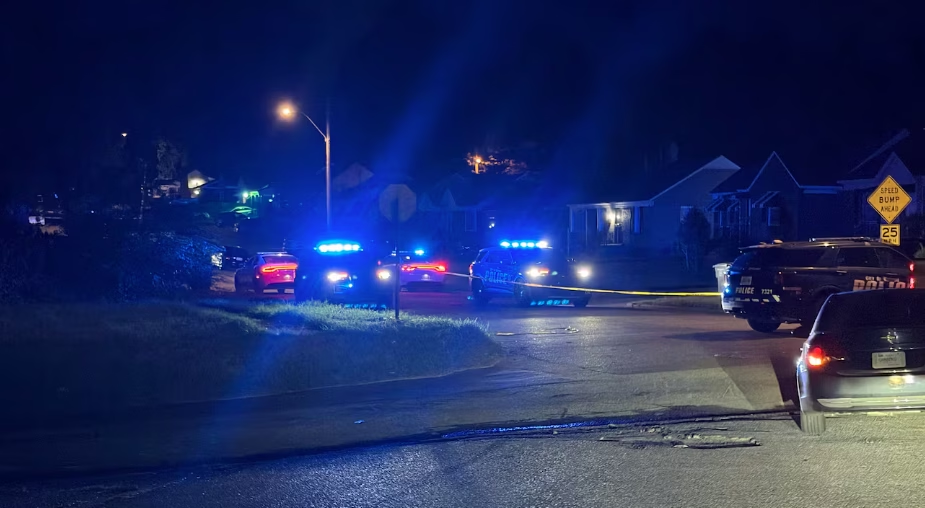
Identifican a la copiloto del avión que dejó nueve muertos en Florida; investigan dramática caída antes del impacto
(LPL) – Las autoridades todavía no han dado a conocer oficialmente la identidad de las nueve personas que murieron

(LPL) – Las autoridades todavía no han dado a conocer oficialmente la identidad de las nueve personas que murieron en el accidente de un avión privado en el condado de Palm Beach, Florida. Sin embargo, la familia de una de las víctimas confirmó que se trata de Nathalia Gadelha Filgueiras, de 20 años, quien viajaba como copiloto en la aeronave.
La joven, originaria del sur de Florida, había obtenido su licencia de piloto privado a los 17 años, cuando todavía cursaba sus estudios de secundaria en West Boca Raton High School. Su formación estuvo vinculada con la Academia de Aviación del Distrito Escolar del Condado de Palm Beach.
Aunque su familia confirmó su participación en el vuelo, las autoridades no han publicado todavía una lista oficial con los nombres de las otras ocho víctimas. Las nueve personas que viajaban a bordo murieron cuando el avión se estrelló el domingo 1 de noviembre en una zona residencial cercana a Greenacres, en el condado de Palm Beach.
La aeronave era un Learjet 60 que había despegado del Aeropuerto Internacional Austin-Bergstrom, en Texas, con destino al Aeropuerto de North Eleuthera, en las Bahamas. El impacto ocurrió aproximadamente a las 12:50 p.m., cerca de Military Trail y 10th Avenue North, y provocó una explosión y un incendio que dejaron un amplio campo de escombros.
No se reportaron muertes entre las personas que se encontraban en tierra, aunque el accidente afectó viviendas cercanas y obligó a movilizar a cientos de residentes de un parque de casas móviles.
La última comunicación de la tripulación antes del accidente
Uno de los elementos más importantes de la investigación es la grabación de las comunicaciones entre los pilotos y el control de tráfico aéreo de Miami, que permite conocer lo que ocurrió durante los últimos minutos del vuelo.
De acuerdo con el audio difundido por medios estadounidenses, la tripulación informó inicialmente que enfrentaba acumulación de hielo y turbulencia moderada mientras volaba a unos 35,000 pies de altura. También indicó que la temperatura exterior era de aproximadamente 47 grados Celsius bajo cero.
Los pilotos solicitaron autorización para ascender a 37,000 pies, aparentemente en busca de mejores condiciones de vuelo. El controlador autorizó el ascenso, pero poco después la situación comenzó a deteriorarse.
La tripulación informó que estaba encontrando precipitaciones y, segundos más tarde, declaró una emergencia mediante la señal internacional «Mayday».
En las comunicaciones siguientes, uno de los pilotos informó que el avión estaba descendiendo a una velocidad de 10,000 pies por minuto. Poco después indicó que la aeronave se encontraba en una condición de exceso de velocidad y que la caída había aumentado a 20,000 pies por minuto.
La situación continuó agravándose. «Vamos a estrellarnos contra el suelo», expresó uno de los tripulantes, mientras el controlador intentaba obtener información y ofrecer asistencia.
En otro momento, la tripulación reportó que descendían a 22,000 pies por minuto y que el avión estaba inclinado aproximadamente 60 grados. La última frase audible fue «Se nos acaba el tiempo» (We’re out of time). Después, el controlador intentó comunicarse nuevamente con la aeronave, pero no obtuvo respuesta.
La NTSB encabeza la investigación
La Junta Nacional de Seguridad en el Transporte (NTSB) está a cargo de investigar las causas del accidente, con apoyo de la Administración Federal de Aviación (FAA).
Los investigadores examinan las condiciones meteorológicas, la posible acumulación de hielo, el comportamiento de los sistemas de vuelo y las circunstancias que provocaron el rápido descenso.
La NTSB tiene previsto ofrecer información sobre el proceso de investigación y las actividades de sus equipos en el lugar del accidente. Hasta el momento, no se ha establecido oficialmente qué provocó la pérdida de control de la aeronave.
El caso ha generado especial atención por la rapidez con la que el avión perdió altura y por las advertencias que realizó la tripulación antes del impacto.
La investigación continuará en los próximos días para determinar qué ocurrió a bordo del Learjet 60 y establecer las causas de una tragedia que cobró la vida de nueve personas.
English:
Co-pilot identified in Florida plane crash that left nine dead; dramatic descent prior to impact under investigation
(LPL) – Authorities have not yet officially released the identities of the nine people who died in a private plane crash in Palm Beach County, Florida. However, the family of one of the victims has confirmed that it was 20-year-old Nathalia Gadelha Filgueiras, who was serving as the co-pilot.
The young woman, a South Florida native, earned her private pilot’s license at age 17 while still attending West Boca Raton High School. Her flight training was conducted through the Palm Beach County School District’s Aviation Academy.
Although her family has confirmed her presence on the flight, authorities have not yet released an official list of the other eight victims. All nine individuals on board perished when the plane crashed on Sunday, November 1, in a residential area near Greenacres, in Palm Beach County.
The aircraft, a Learjet 60, had departed from Austin-Bergstrom International Airport in Texas, bound for North Eleuthera Airport in the Bahamas. The crash occurred at approximately 12:50 p.m. near Military Trail and 10th Avenue North, triggering an explosion and fire that left a wide field of debris.
There were no fatalities among people on the ground, though the crash damaged nearby homes and forced the evacuation of hundreds of residents from a mobile home park.
The crew’s final communication before the crash
A key element of the investigation is the recording of communications between the pilots and Miami air traffic control, which provides insight into what transpired during the final minutes of the flight. According to audio released by U.S. media outlets, the crew initially reported encountering ice accumulation and moderate turbulence while flying at an altitude of approximately 35,000 feet. They also noted that the outside temperature was around minus 47 degrees Celsius.
The pilots requested authorization to climb to 37,000 feet, apparently in search of better flight conditions. The air traffic controller approved the climb, but shortly thereafter, the situation began to deteriorate.
The crew reported encountering precipitation and, seconds later, declared an emergency using the international distress signal, «Mayday.»
In subsequent communications, one of the pilots reported that the plane was descending at a rate of 10,000 feet per minute. Shortly after, they indicated that the aircraft was in an overspeed condition and that the rate of descent had increased to 20,000 feet per minute.
The situation continued to worsen. «We’re going to hit the ground,» one of the crew members stated, as the controller attempted to gather information and offer assistance.
At another point, the crew reported that they were descending at 22,000 feet per minute and that the aircraft was banked at an angle of approximately 60 degrees. The final audible phrase was, «We’re out of time.» Afterward, the controller attempted to contact the aircraft again but received no response.
The NTSB leads the investigation
The National Transportation Safety Board (NTSB) is in charge of investigating the causes of the accident, with support from the Federal Aviation Administration (FAA).
Investigators are examining weather conditions, potential ice accumulation, the performance of flight systems, and the circumstances that led to the rapid descent.
The NTSB plans to provide updates on the investigation process and the activities of its teams at the accident site. As of now, it has not been officially established what caused the loss of control of the aircraft.
The case has drawn particular attention due to the speed at which the plane lost altitude and the warnings issued by the crew before the impact.
The investigation will continue in the coming days to determine what occurred aboard the Learjet 60 and to establish the causes of a tragedy that claimed the lives of nine people.